
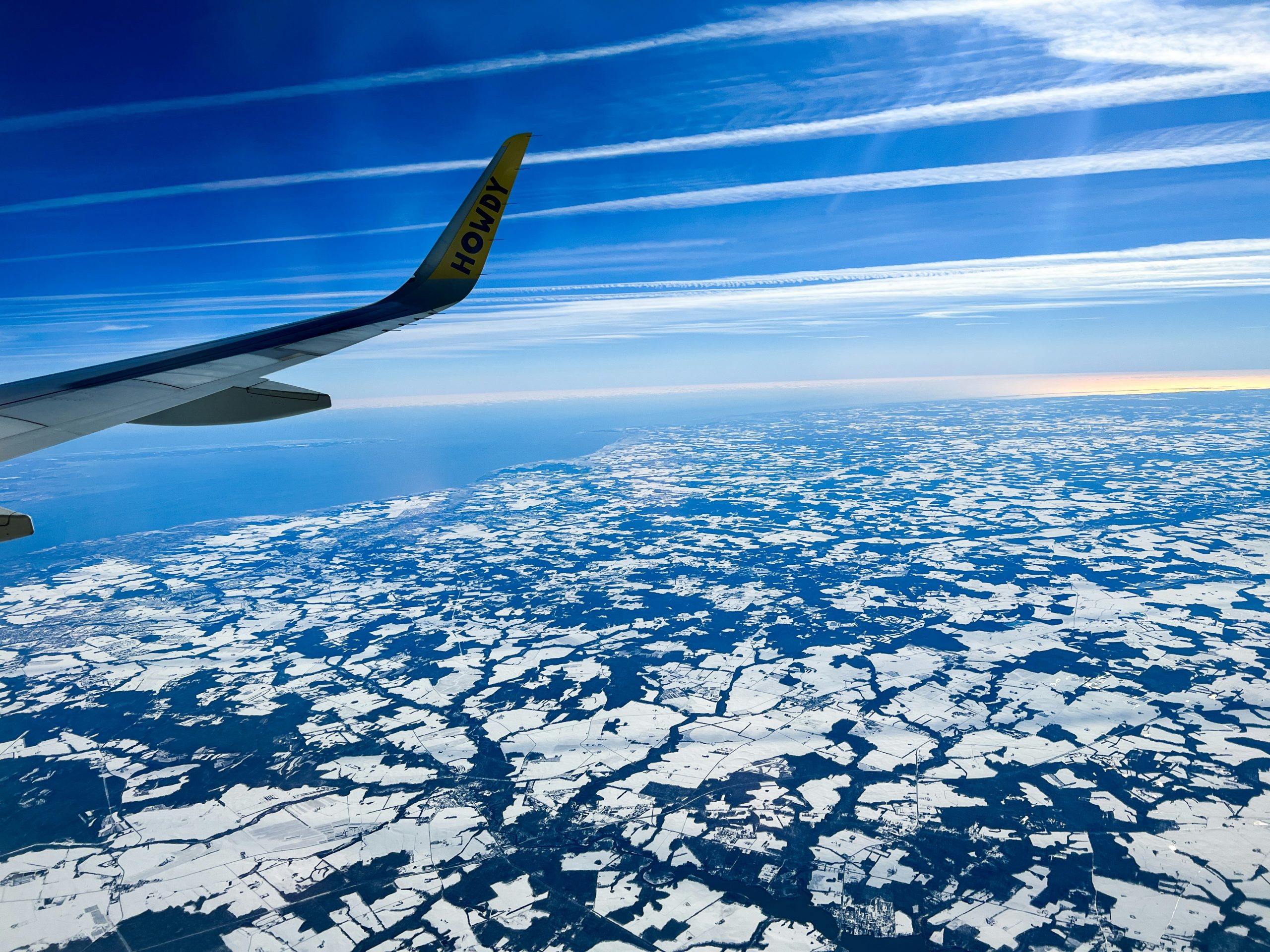
Usafiri wa Anga
Kwa mujibu wa kanuni ya "Mchafuzi Analipa", sekta ya usafiri wa anga ilitambuliwa kama mojawapo ambapo wachache wenye ushawishi mkubwa na matajiri husababisha uharibifu mwingi wa mazingira.
Usafiri wa anga unachukua zaidi ya 2.5% ya uzalishaji wa CO2 unaochochewa na binadamu, ikichangia takriban 4% ya ongezeko la joto duniani hadi leo, na bado tu 10% ya watu duniani husafiri kwa ndege kila mwaka.
Kando na kuwa na kiwango kikubwa cha uzalishaji wa kaboni, sekta hii pia imekuwa na ushuru mdogo sana. Katika nchi za G20, wastani wa bei ya kaboni kwa mafuta ya ndege ni €9 kwa tani ya CO2 ikilinganishwa na €68 kwa petrol na €79 kwa dizeliKwa ujumla, mafuta ya anga za kimataifa hayatoi kodi kabisa.
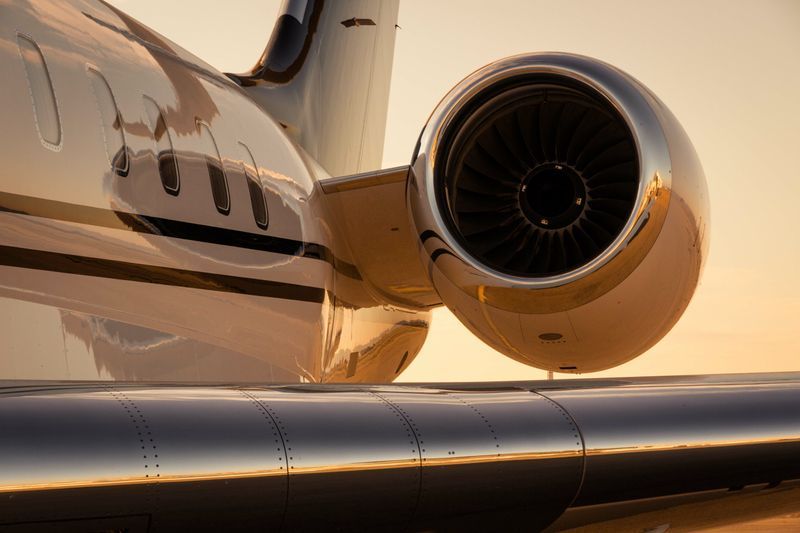
Kwa kuzingatia wasafiri wa kifahari—wale wenye uwezo wa kifedha wa kuamua safari kulingana na eneo la kusafiri na si gharama—kazi yetu inahakikisha mfumo wa haki ambao kupitia kwake wale wanaochangia ongezeko la joto duniani pia huchangia kwa usawa katika kufadhili suluhisho.
Gundua Kisimulizi Chetu cha Kodi za Usafiri wa Anga
Simulator hiyo inatengeneza dhana za ushuru wa anga kwa kutumia data halisi kuhusu wingi wa safari za ndege, usambazaji wa abiria, madaraja ya tiketi, na matumizi ya mafuta.
Iliandaliwa na waandishi wa, Ulimwengu BasiUtozaji wa Ushirika: Muundo wa Vitendo wa Mazungumzo wa Kufadhili Mpito wa Carbon Chini na Maendeleo.
Aviation Tax Simulator
Rasilimali
Maswali Yanayoulizwa Mara kwa Mara
Pata majibu ya wazi kuhusu michango ya mshikamano ni nini, jinsi inavyoundwa, na kwa nini ni muhimu kwa malengo ya hali ya hewa na maendeleo.
Pata habari mpya
Jisajili kwenye jarida letu ili upate habari mpya kutoka kwa Kikosi Kazi cha Global Solidarity Levies