About
Launched at COP28 in November 2023, and co-chaired by Barbados, France and Kenya, the Global Solidarity Levies Task Force: For People and the Planet explores feasible, scalable and sensible options for levies to raise additional resources for climate and development. These levies can be implemented to help the world reach the Sustainable Development Goals and fulfill its Paris Agreement commitments.

The key aims of the Task Force are to foster political will around options for progressive levies to support climate and development action, and to bring together coalitions of willing countries to become frontrunners for implementing specific progressive levy options.
The Task Force will help ensure industries and individuals contribute more to financing the fight against climate change, based on the pollution they produce, while bringing equitable climate justice to our current financial system. The Task Force will consult with experts across disciplines and countries in the Coalition for Solidarity Levies, which supports the Task Force. All countries and sub-national governments with fiscal autonomy are invited to join the coalition and advocate for their preferred levies.
The Task Force is also supported by key partner organizations including the IMF, World Bank, UN, UNCTAD, OECD, G24, European Commission, African Union, Unitaid, Under2 Coalition, and others.
Anchor point: inquiry
Areas of inquiry
The Global Solidarity Levies Task Force: For People and the Planet is mandated to explore the impact of a range of levies to finance development, nature and the fight against climate change, including:
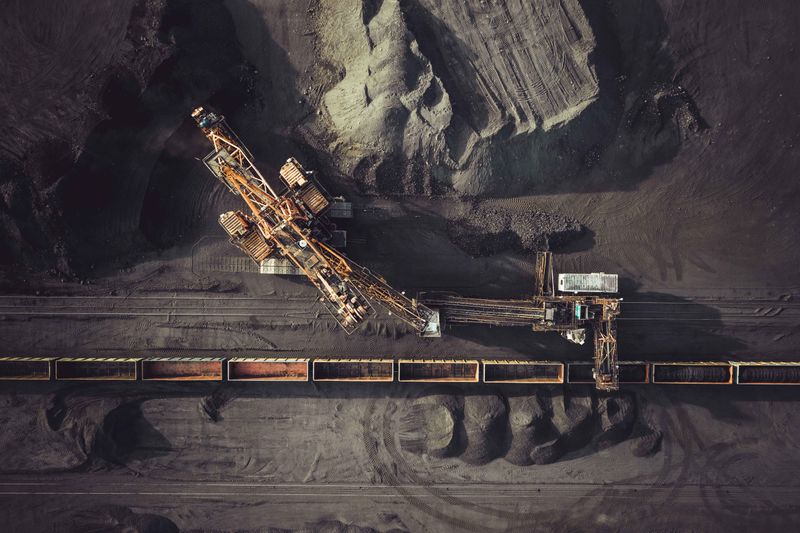
Fossil Fuel Levy or Carbon Damages Levy
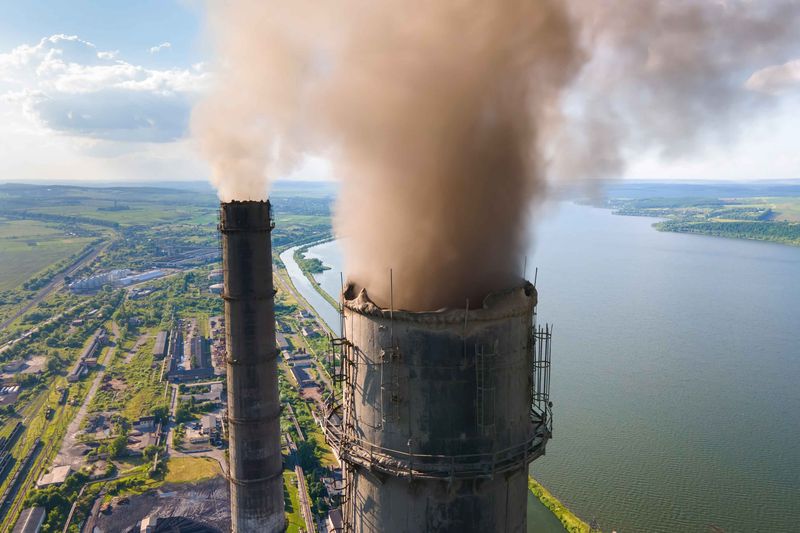
Fossil Fuel Windfall Profits Levy

Financial Transactions Levy
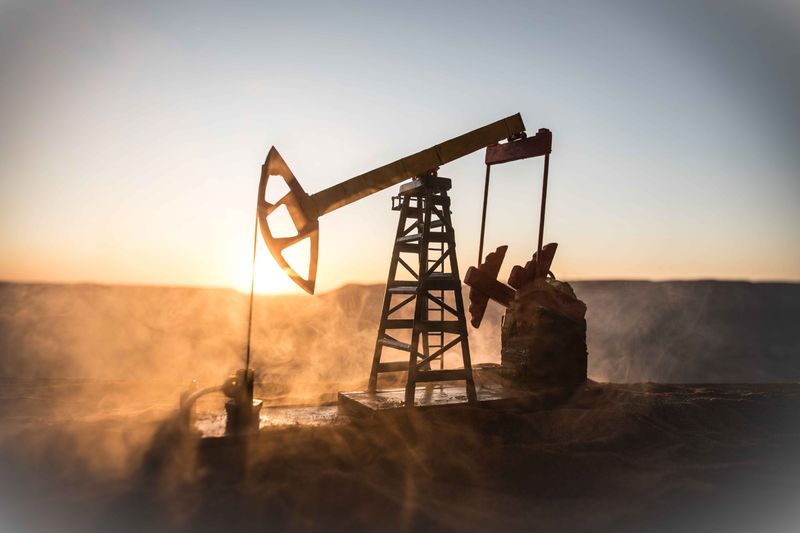
Fossil Fuel Subsidy Phase Out

Private Air Passenger Levy
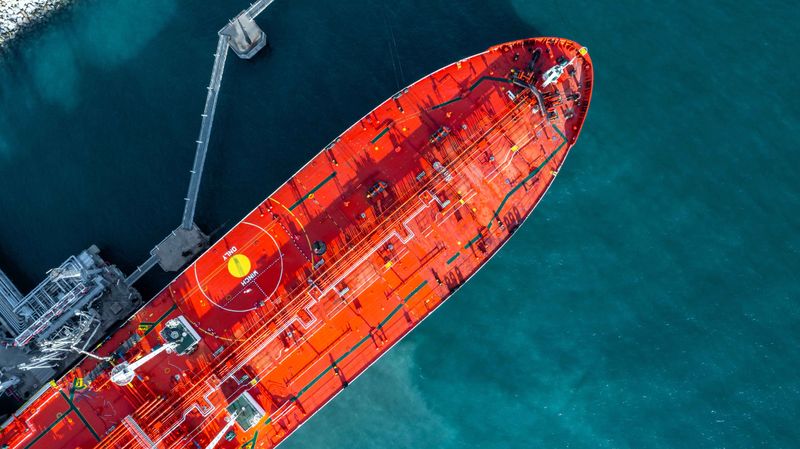
Maritime Fuel Levy
Impact Studies
At the meeting, the Task Force launched impact studies to look at specific levies to carefully consider their potential based on the following criteria:
Revenue collected and how they will be used: to ensure revenues are adequate to needs and allocated to climate-positive investments, adaptation projects, and assisting developing nations in their climate efforts
National and international equity: to ensure the most polluting industries and individuals contribute while ensuring balance and avoiding a disproportionate impact on vulnerable economies
The economic impact: a robust global climate tax should be designed to effectively create an incentive to curb carbon emissions while ensuring political feasibility, minimum distortive effect, and equity
The scalability of the instrument: to ensure new countries can easily join the first-movers political feasibility, to explore the easiest options to implement the options.
Anchor point: faq
Frequently Asked Questions
The Global Solidarity Levies Task Force: For People and the Planet is a hub for coalitions of countries to come together to explore how to implement progressive solidarity levies to generate new sources of urgently-needed climate and development finance.
The Task Force consists of co-chair countries (Barbados, Kenya, France), a high-level expert group, representatives from key partner organizations and a secretariat.
- Co-chairs of the Task Force: Barbados, France and Kenya
- Members of the Coalition for Solidarity Levies: Antigua & Barbuda, Colombia, Denmark, Djibouti, Fiji, Marshall Islands, Senegal, Sierra Leone, Somalia, Spain, and Zambia
- Key partner organizations: the IMF, World Bank, UN, UNCTAD, OECD, G20, G24, European Commission, African Union, Unitaid, Under2 Coalition, Coalition of Finance Ministers, and others.
The Task Force was officially launched at COP28 in Dubai in 2023 by Barbados, France and Kenya.
The Task Force will focus on fostering political will and creating coalitions of willing countries to advance various options for international solidarity levies, to fund climate and development action.
It will look at options that have the potential to mobilize finance at scale while bringing more climate justice and equity to our current financial system, by ensuring the most polluting industries (fossil fuel extraction, aviation, shipping and financial services) and people contribute to financing the fight against climate change and inequalities.
By 2030, developing countries excluding China must mobilize USD $2.4 trillion of public revenues each year to ensure they remain on track to meet the objectives of the Paris Agreement. Implementing global levies would provide a sustainable and predictable source of revenue to support their transition, and that is why this initiative can play a crucial role in a just transition to net zero.
We must ensure that our global financial system better reflects the current needs of society, rather than those rooted in the mid-20th century when it was first established. Many heavily polluting industries have been historically protected from levies and taxes and haven’t paid their share in our collective work to transition to a net-zero economy. We are providing them with a means and opportunity to do so.
Target sectors could include major contributors to greenhouse gas emissions, such as oil and gas companies, heavy industries, aviation, and maritime shipping, as well as the financial sector.
Our solidarity levies won’t increase the cost of living for ordinary citizens or impact things like household bills. This would be counterproductive to our objective of supporting those who bear the heaviest burdens of the effects of climate change. We will instead ensure that polluters pay more to tackle climate change, which is a global challenge.
We are not reinventing the wheel and there is precedent for our work. For example, the Unitaid airline levy, where countries from around the world (such as Mali, Mauritius, Chile, Brazil, Korea and France) have been using the proceeds to fill a particular gap in global health spending (paying for a mechanism to squash drug prices). On average, low-income countries that participate in this airline levy scheme receive 10 times more than what they pay into it. For this reason, many NGOs and think tanks that support the V20 and the Bridgetown Initiative are also supporting the Global Solidarity Levies Task Force: For People and the Planet.
The Task Force is keen to ensure that all of its work is complementary to other existing initiatives like the UN Tax Convention, the OECD Tax Policy reforms, the IMO shipping levy discussions and the G20 wealth tax discussions.
The co-chairs and members of the Coalition for Solidarity Levies, all support the idea of progressive levies to raise money for climate and development. We believe that by enabling coalitions of willing countries to become the first-movers on these options, we can raise urgently-needed revenues in a shorter time frame, while also laying the groundwork and building momentum for the success of other initiatives and scaling up the solidarity levies we will propose.
There are no specific criteria to join the Task Force. All countries that support the Task Force’s mission are invited to join the Coalition for Solidarity Levies, as are sub-national governments with fiscal autonomy. Countries joining only have to show that they are politically willing to support one or several of the levy options put on the table, and support the global solidarity levy agenda.
The potential revenue will be explored in detail in a rigorous research and consultation phase, and through specific impact studies into each levy option.
Existing research has shown that levies could raise:
- Financial Transactions: a 0.1% levy on the trading of stocks and bonds could deliver up to $418 bn per year on a global level (WIFO 2019 study).
- Levy on aviation: an aviation levy could raise up to $150 bn per year on a global scale (CAN-Europe 2023).
- Levy on maritime shipping: a levy of $150/ton C02 would raise up to $80bn for a year (IDDRI 2023 and one of the official proposals).
- Fossil fuel companies windfall profits levy:
- A fossil fuel extraction levy of $5/ton C02 would raise $210 bn per year rising to an average of $300bn per year by 2050 – assuming significant reduction in demand and an increase of the rate of $10 per ton annually to reach $250 a ton by 2050 (Stamp Out Poverty 2023).
- A levy on windfall profits of 10% would have raised $300 bn in 2022 as net income for fossil fuel producers in 2022 was $4 trillion with an implied windfall profit of $3 trillion globally (World Energy Investment 2023).
The European Climate Foundation (ECF) manages the Secretariat of the Global Solidarity Levies Task Force: For People and the Planet to support the country co-chairs and members.
Laurence Tubiana, the ECF Chief Executive, leads the Secretariat.
Solidarity levies are coordinated but nationally administered taxes, earmarked for global public goods such as climate mitigation and adaptation.
Unlike global tax proposals, solidarity levies function within the framework of national sovereignty. Revenues are collected domestically but earmarked for shared international goals. They thus offer a middle ground between voluntary aid and binding regulatory frameworks, allowing coalitions of willing countries to take the lead with actionable redistributive mechanisms.
While existing solidarity levies have demonstrated the feasibility of this approach, they remain limited in scale and participation. The Global Solidarity Levies Task Force calls for greater international collaboration to establish more substantial and widely supported solidarity levies.
Contact Us
Get in touch with us if you have any media or any other inquiries
Stay up to date
Sign up to our newsletter to keep up to date with the latest from Global Solidarity Levies Task Force