

About Us
Mandate
Under the mandate of co-chair countries – Barbados, France and Kenya – the work of the Global Solidarity Levies Task Force builds on longstanding debates around sustainable financing mechanisms to complement traditional public and private flows. In the face of widening financing gaps for sustainable development and climate action, the Task Force seeks to assess the feasibility and explore the impact of solidarity levies, with the aim to bring together coalitions of the willing to implement one or more of the solidarity levies and use the proceeds for climate and development actions. Our mandate builds on the outcome of the Global Stocktake, the Pact for the People, the Planet and Prosperity, and the African Climate Summit 2024. At COP30, the GSLTF’s mandate was renewed for another 3 years until 2028 (COP33).
Mission
The Global Solidarity Levies Task Force seeks to:
- Identify, assess, and promote levies – in particular on highly globalized, polluting and undertaxed sectors – to create predictable funding streams for climate action and development such as aviation, fossil fuels, financial and crypto transactions;
- Complement, not replace, traditional ODA and private investment.
- Help build coalitions of pioneering countries willing to move forward together in coordinating solidarity levies and the use of their revenues. The first coalition of the willing, the Premium Flyers Solidarity Coalition, was announced in 2025.
- Provide a platform to support governments in technical implementation and the exchange of best practices.
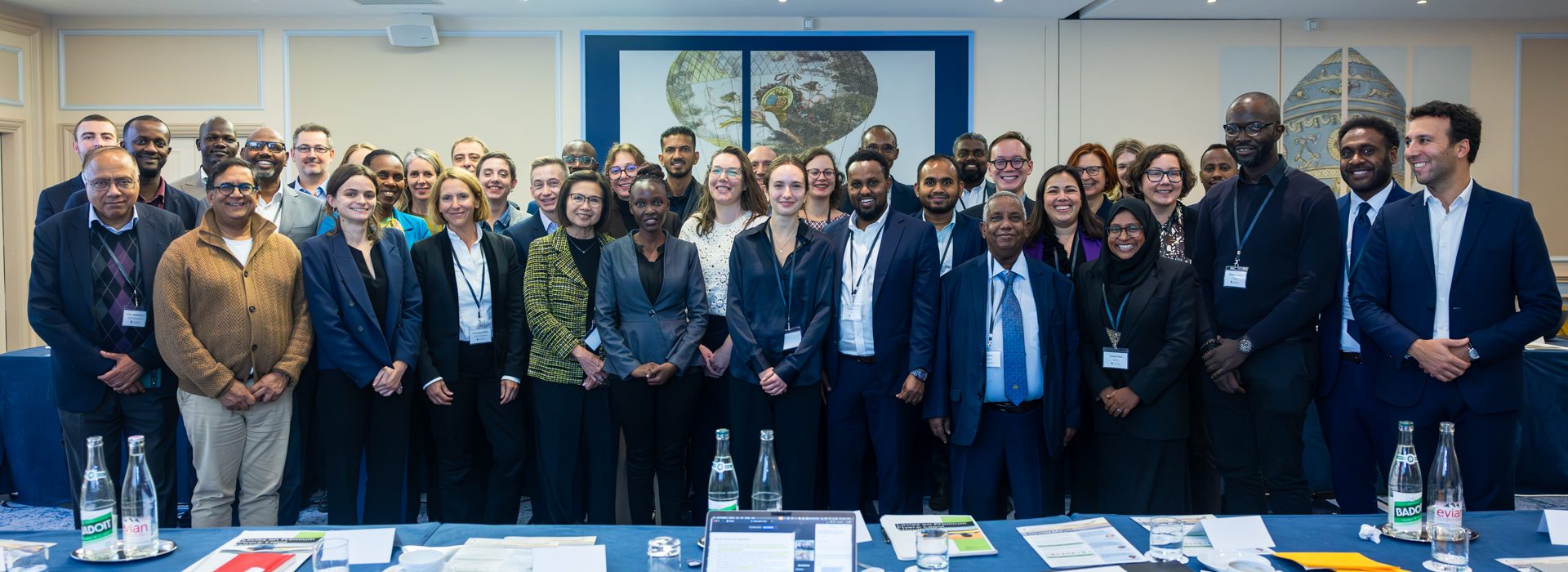
Our Priority Sectors Are:



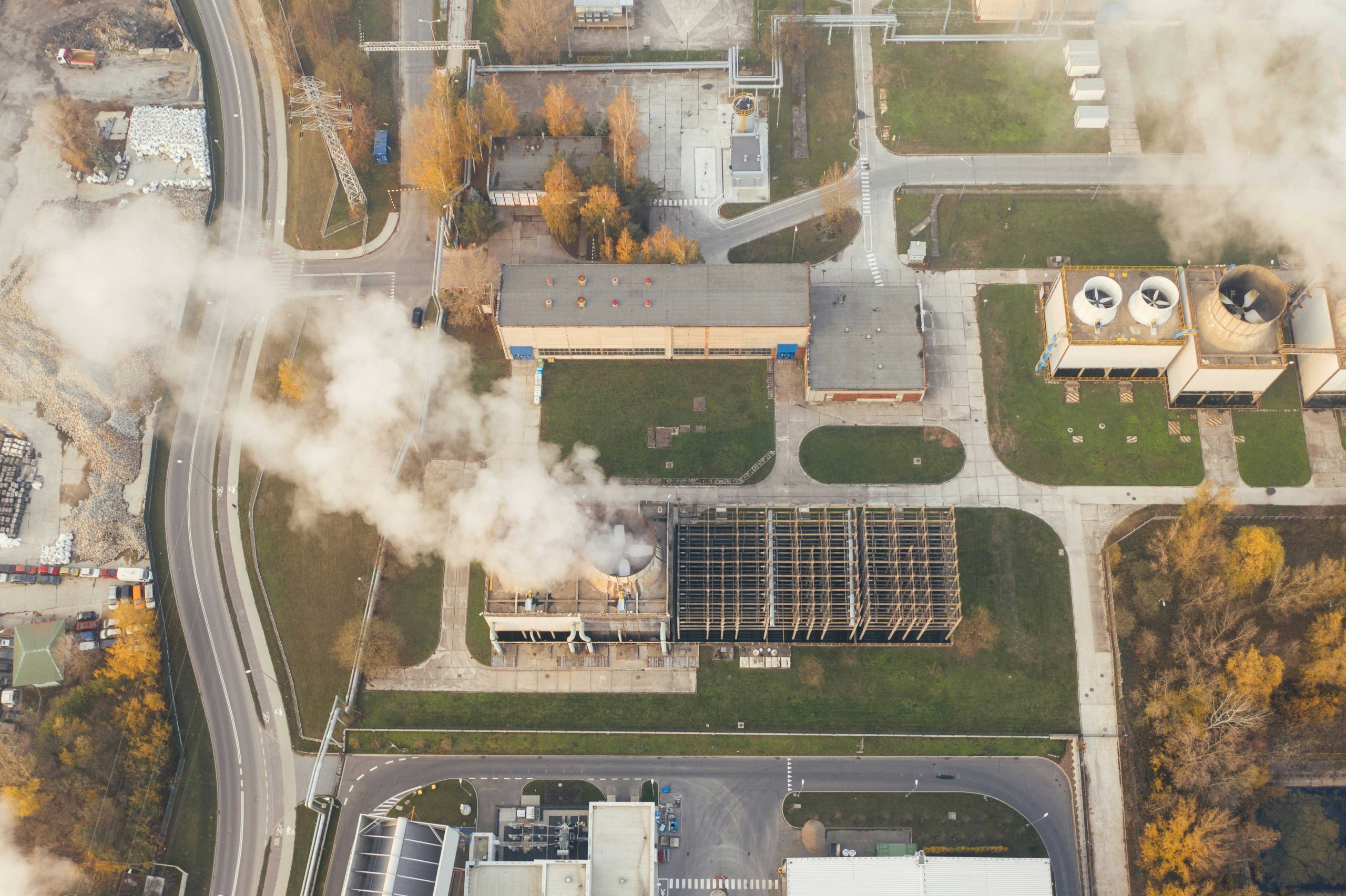
Who We Are
The Task Force’s secretariat is hosted by the European Climate Foundation (ECF), and led by ECF Chief Executive Laurence Tubiana.
We bring together international experts and policy-makers to advance solidarity levies.
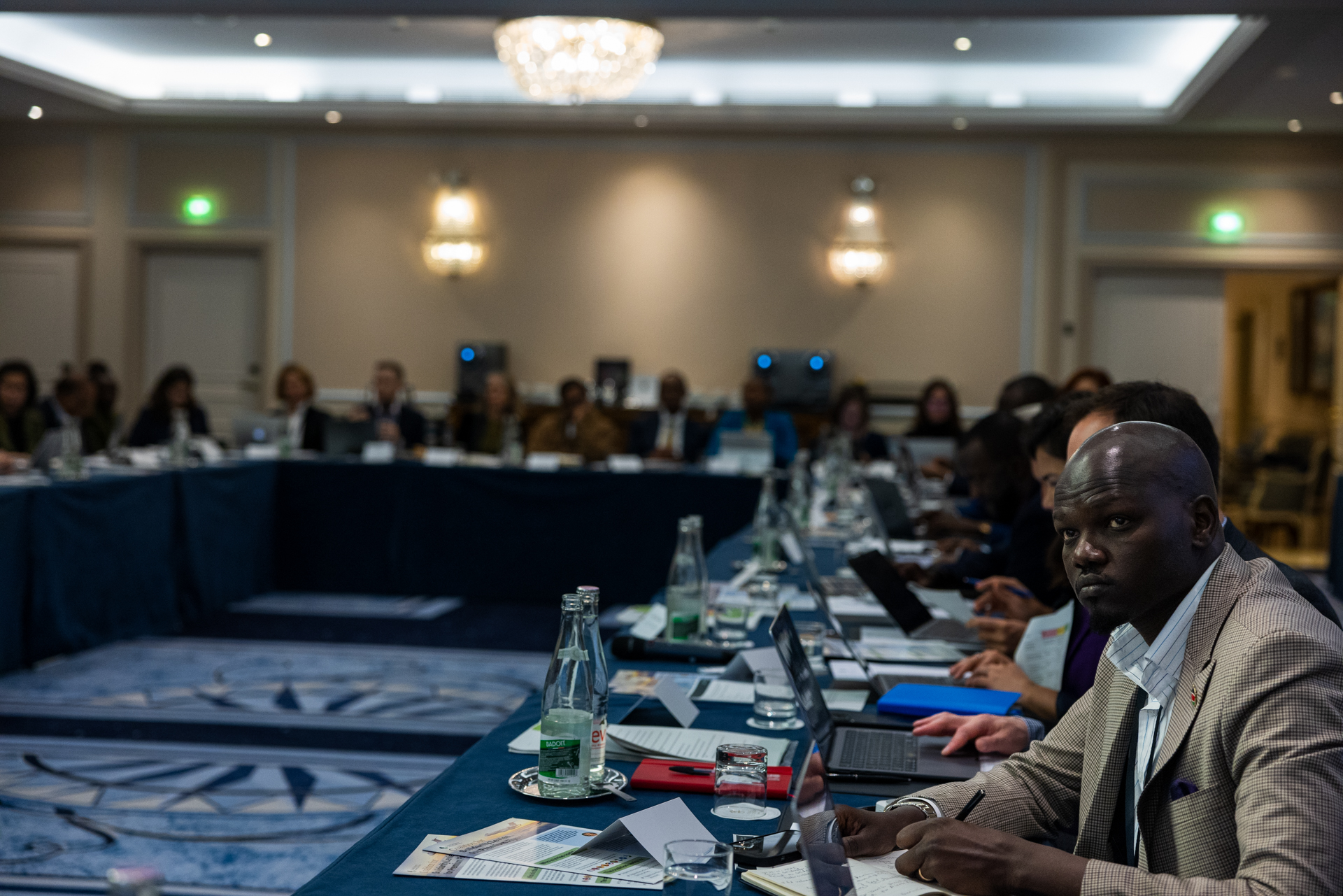
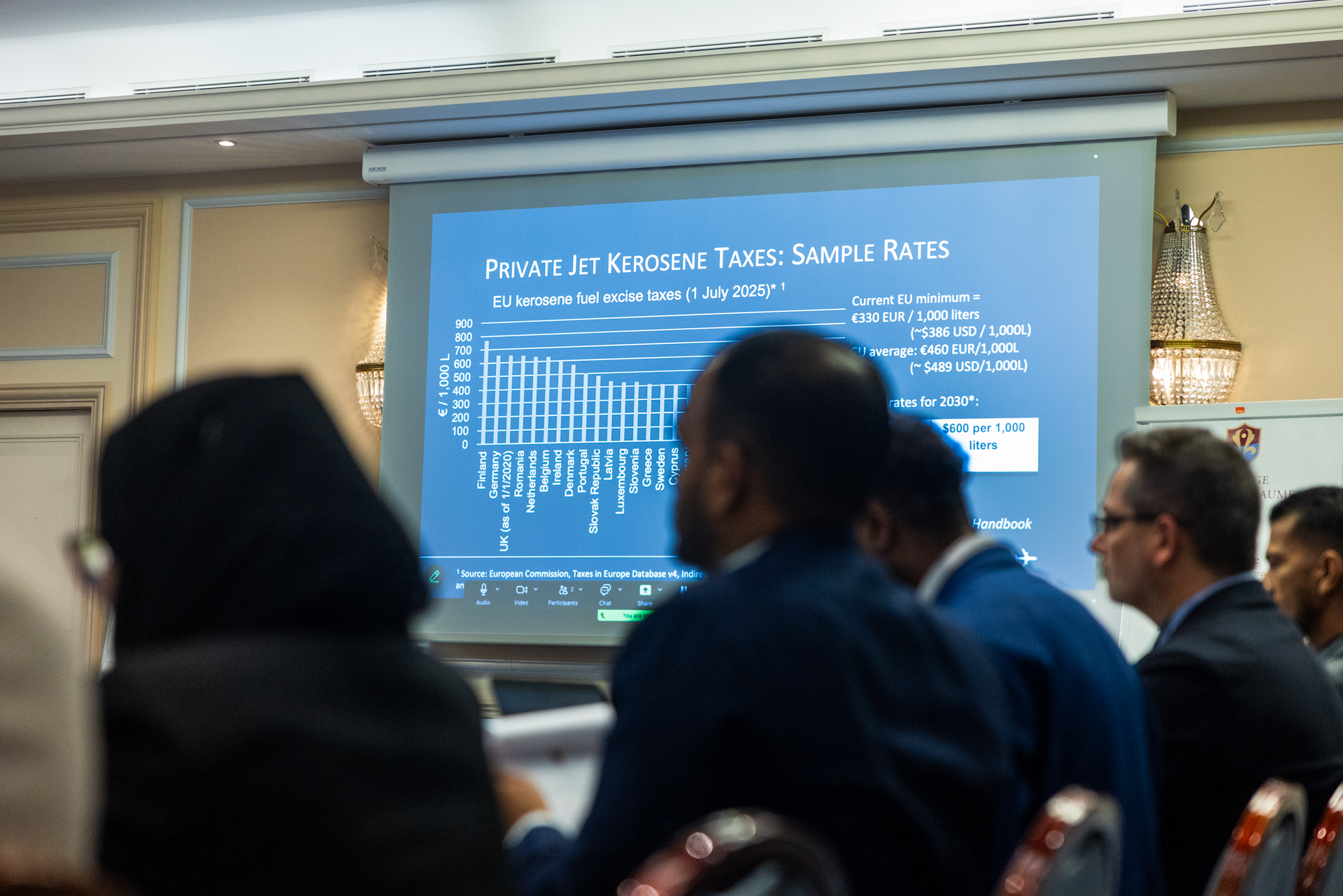
History of the Task Force
2025
COP30
The Premium Flyers Solidarity Levies Coalition announced new members.
Members (as of COP30): Benin, Djibouti, France, Kenya, Nigeria, Sierra Leone, Somalia, South Sudan, and Spain. Observers: Antigua and Barbuda, Brazil, Fiji, and Vanuatu.
FFD4
The Premium Flyers Solidarity Coalition launched at the 4th International Conference on Financing for Development in Seville in June 2025.
The Coalition aims to advance levies on premium travel to fund climate and development action. This is the first coalition of its kind—but not the last.
2024
COP29
At COP29, the Task Force announced new key members, demonstrating political will and commitment towards creating a coalition of the willing for solidarity levies.
New Members: Sierra Leone, Zambia, Fiji, Djibouti, Somalia, Antigua & Barbuda, Colombia, Marshall Islands, Senegal, Spain, Denmark. Observers: African Union, European Commission, Germany.
2023
COP28
The Task Force is launched at COP28 by co-chairs Barbados, France and Kenya.
The mandate of the Task Force builds on the outcome of the Global Stocktake and complements other initiatives including the call for a UN Tax Convention and the OECD’s two-pillar global tax reform.
The Africa Climate Summit
The Summit endorsed the African Leaders Nairobi Declaration on Climate Change.
The Declaration calls for a global carbon tax on fossil fuel trade, maritime transport, and aviation, as well as a global financial transaction tax and a Global Finance Charter to support climate-positive investments, making the idea of the Task Force even more relevant.
Summit for a New Global Financial Pact
Creation of the International Tax Task Force
Participants discussed the topic of international taxation and issued a political declaration calling for further work to explore “new avenues for international taxation”. To achieve this, a task force to examine possible new financial resources through taxation was proposed: the International Tax Taskforce, which later became the Global Solidarity Levies Task Force.
Anchor point: faq
Frequently Asked Questions
Unlike global tax proposals, solidarity levies function within the framework of national sovereignty. Revenues are collected domestically but earmarked for shared international goals. They thus offer a middle ground between voluntary aid and binding regulatory frameworks, allowing coalitions of willing countries to take the lead with actionable redistributive mechanisms.
While existing solidarity levies have demonstrated the feasibility of this approach, they remain limited in scale and participation. The Global Solidarity Levies Task Force calls for greater international collaboration to establish more substantial and widely supported solidarity levies.
By 2030, developing countries excluding China must mobilize USD $2.4 trillion of public revenues each year to ensure they remain on track to meet the objectives of the Paris Agreement. Implementing global levies would provide a sustainable and predictable source of revenue to support their transition, and that is why this initiative can play a crucial role in a just transition to net zero.
The Global Solidarity Levies Task Force: For People and the Planet is a hub for coalitions of countries to come together to explore how to implement progressive solidarity levies to generate new sources of urgently-needed climate and development finance.
The Task Force consists of co-chair countries (Barbados, Kenya, France), a high-level expert group, representatives from key partner organizations and a secretariat.
- Co-chairs of the Task Force: Barbados, France and Kenya
- Members of the Task Force: Antigua & Barbuda, Colombia, Denmark, Djibouti, Fiji, Marshall Islands, Senegal, Sierra Leone, Somalia, Spain, and Zambia
- Members of the Premium Flyers Solidarity Coalition: France, Kenya, Spain, Benin, Djibouti, Nigeria, South Sudan, Sierra Leone, and Somalia.
- Key partner organizations: the IMF, World Bank, UN, UNCTAD, OECD, G20, G24, European Commission, African Union, Unitaid, Under2 Coalition, Coalition of Finance Ministers, and others.
There are no specific criteria to join the Task Force. All countries that support the Task Force’s mission are invited to join the Coalition for Solidarity Levies, as are sub-national governments with fiscal autonomy. Countries joining only have to show that they are politically willing to support one or several of the levy options put on the table, and support the global solidarity levy agenda.
It will look at options that have the potential to mobilize finance at scale while bringing more climate justice and equity to our current financial system, by ensuring the most polluting industries (e.g., fossil fuel extraction, aviation, shipping and financial services) and people contribute to financing the fight against climate change and inequalities.
Existing research has shown that levies could raise:
- Financial Transactions: a 0.1% levy on the trading of stocks and bonds could deliver up to $418 bn per year on a global level (WIFO 2019 study).
- Levy on aviation: an aviation levy could raise up to $150 bn per year on a global scale (CAN-Europe 2023).
- Levy on maritime shipping: a levy of $150/ton C02 would raise up to $80bn for a year (IDDRI 2023 and one of the official proposals).
- Fossil fuel companies windfall profits levy:
- A fossil fuel extraction levy of $5/ton C02 would raise $210 bn per year rising to an average of $300bn per year by 2050 – assuming significant reduction in demand and an increase of the rate of $10 per ton annually to reach $250 a ton by 2050 (Stamp Out Poverty 2023).
- A levy on windfall profits of 10% would have raised $300 bn in 2022 as net income for fossil fuel producers in 2022 was $4 trillion with an implied windfall profit of $3 trillion globally (World Energy Investment 2023).
The co-chairs and members of the Coalition for Solidarity Levies, all support the idea of progressive levies to raise money for climate and development. We believe that by enabling coalitions of willing countries to become the first-movers on these options, we can raise urgently-needed revenues in a shorter time frame, while also laying the groundwork and building momentum for the success of other initiatives and scaling up the solidarity levies we will propose.
Contact Us
Get in touch with us if you have any media or any other inquiries
Stay up to date
Sign up to our newsletter to keep up to date with the latest from Global Solidarity Levies Task Force

 English
  French
  Swahili